Typical products
Located in Bac Trach Commune, an area well known for its marine resources, Thanh Quang Trading and Service Co., Ltd. has established a reputable brand in the seafood sector. According to Director Bui Thuc Quang, product quality is the company’s top priority. Raw materials are directly purchased from local offshore fishing vessels and carefully selected to ensure freshness and safety.
The seafood is then processed at the company’s facility under a strict “five-no” principle: No preservatives, No unidentified or floating products, No low-quality materials, Continuous product innovation, No pursuit of quantity at the expense of quality.
Thanks to its commitment to quality improvement, the company has built a clean and safe seafood supply chain that meets HACCP standards (Hazard Analysis and Critical Control Points).
Currently, the company has one 4-star OCOP product and twelve 3-star OCOP products. Its annual revenue averages over VND 10 billion, providing jobs for about 50 local workers with an average income of VND 7 million per month. Thanh Quang is also among the pioneering enterprises exporting seafood through entrusted channels to markets such as South Korea, Japan, and China, with an export volume of 100–200 tons of squid annually.
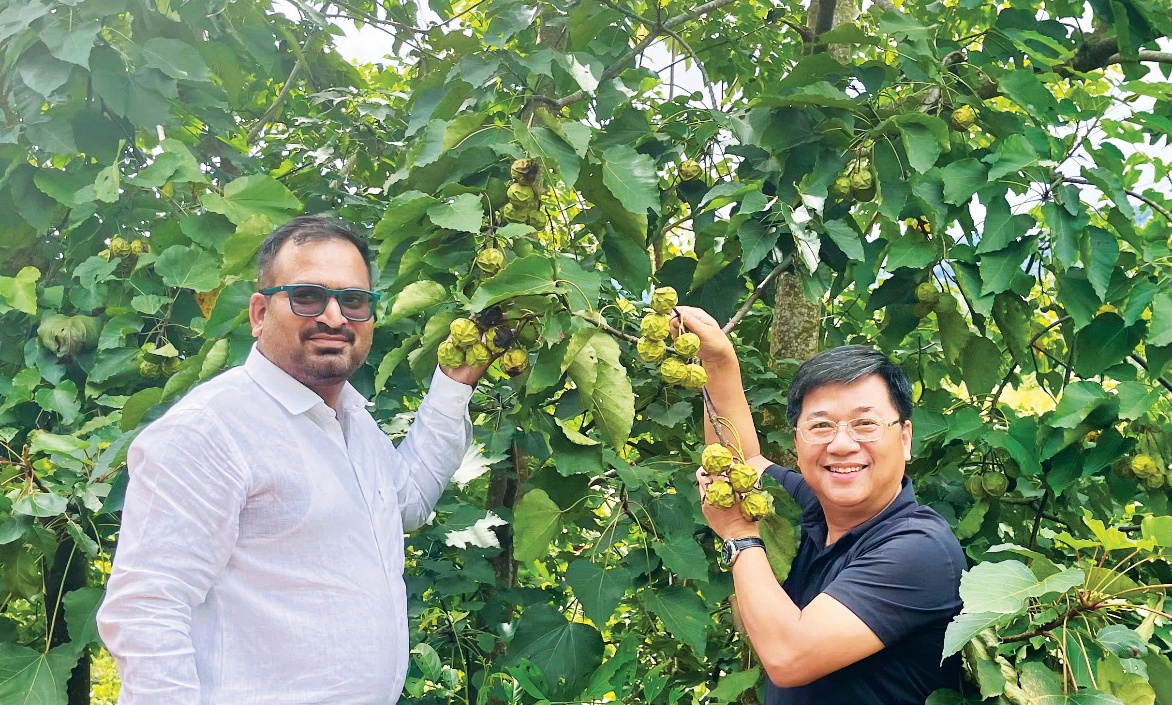
Expanding the Value of Tung Oil Trees
Quang Tri currently has around 3,000 hectares of tung oil trees, mainly located in communes such as Huong Lap, Huong Phung, Dakrong, and Ta Rut. The tung tree produces seeds used to extract oil for industrial processing, offering high economic value. In addition, it contributes significantly to soil conservation, water retention, and erosion control.
For many households in the southwestern mountainous areas of the province, tung cultivation has become an important source of income. However, selling raw seeds to traders has often been unstable due to fluctuating prices. To enhance the value of this crop, Quang Tri General Trading Corporation (SEPON Group) has partnered to export tung seeds and oil to India. In November 2025, the company successfully exported its first shipment of 60 tons of tung seeds to this demanding market.
According to Ho Xuan Hieu, Chairman of the Board of SEPON Group, sustainable development of the tung industry requires meeting four key standards: Standardized raw material areas, Standardized product quality, Reliable customer commitments, Strong partnership culture. Currently, only 31 tung trees in the province are recognized as elite mother trees, representing valuable genetic resources for future expansion. Seeds collected from these trees are being cultivated for a 50-hectare pilot plantation planned for 2026. The company is also researching advanced oil extraction methods, aiming to export high-quality tung oil in the near future and potentially develop premium products such as printing ink for banknotes and passports.
Expanding export markets
Quang Tri currently has a total cultivation area of approximately 222,810 hectares, including concentrated raw-material zones for key crops such as coffee, rubber, pepper, medicinal plants, cassava, high-quality rice, and fruit trees. By 2025, the province had established 12 officially coded planting areas for export, mainly for rice (exported to the EU market) and bananas (exported to China). In addition, several livestock and seafood products from the province have already entered international markets.
To meet increasingly strict domestic and international market requirements, the provincial agricultural sector has implemented several key strategies. According to Ms. Nguyen Hong Phuong, Deputy Director of the Department of Agriculture and Environment, the province focuses on: Restructuring agricultural production along value chains, strengthening linkages between farmers, cooperatives, and enterprises while expanding large-scale raw material zones; Improving product quality and standards, encouraging production under VietGAP, GlobalGAP, and organic standards, along with expanding planting-area codes and traceability systems; Enhancing support for businesses and farmers through training in production techniques, harvesting, post-harvest preservation, market information connectivity, and digital technology applications for traceability and trade promotion.
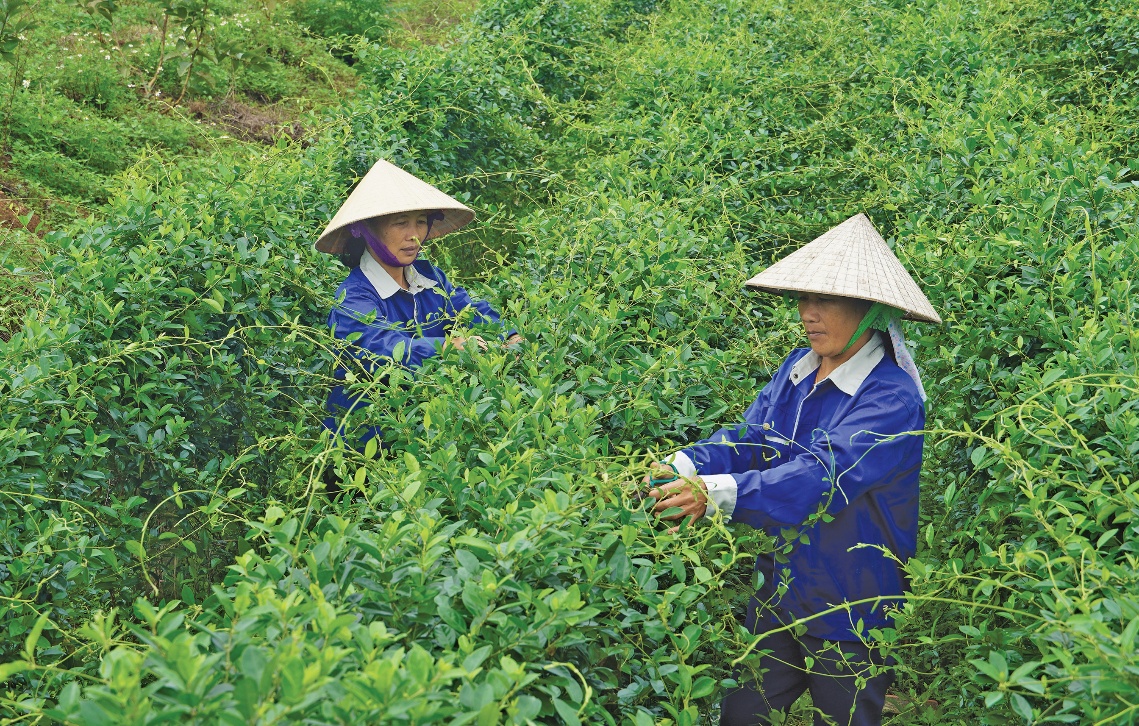
Many raw-material crop growing areas in Quang Tri Province have been established and expanded
According to the Regional Customs Department IX, import–export activities in Quang Tri increased significantly in 2025. Total cargo volume reached over 11.33 million tons, up 11.46% year-on-year, while total trade value reached USD 5.09 billion, an increase of 14.4%. Export cargo alone accounted for 5.419 million tons, valued at more than USD 2 billion.
Duong Van Minh, Deputy Director of the Industrial Promotion and Trade Promotion Center, emphasized that expanding export markets is a strategic direction for enhancing agricultural value, strengthening competitiveness, building product brands, and increasing profits for producers.
To support this goal, the center has actively promoted local agricultural products through domestic and international trade fairs, organized supply–demand connection conferences, and provided training programs on e-commerce and digital transformation. The province has also implemented software systems to support traceability of origin for key agricultural products, enabling businesses and producers to find partners and expand export opportunities more effectively.
 IPA
IPA